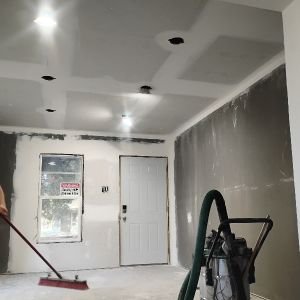
Compare Local Contractors for Reliable Foundation Construction Services
Compare local contractors for foundation construction to define project scope, verify experience, and set clear expectations, ensuring a successful and well-managed build.
Foundation construction contractors typically handle the critical work of preparing and installing the base that supports a building or structure. This work often includes excavating and grading the site, pouring concrete footings, and building foundation walls or slabs. Proper foundation work is essential for ensuring stability and durability, making it a vital part of any construction or renovation project. When selecting a contractor, understanding the scope of their services helps ensure all necessary tasks are covered and that the foundation will meet the specific needs of the property.
Defining the scope of foundation work is an important step in the planning process. Clear communication about the work involved-such as the type of foundation required, site conditions, and any special considerations-can prevent misunderstandings and scope creep later on. Property owners should work with service providers to establish detailed project descriptions in writing, outlining what tasks will be performed and what materials will be used. This clarity helps set expectations and provides a reference point for evaluating the work as the project progresses.
Comparing local contractors involves evaluating their experience, expertise, and the scope of services they offer. It’s beneficial to verify the types of projects they have completed in the past, especially those similar in size and complexity to the current project. Property owners can also review their credentials, request references, and ask about their process for handling unforeseen issues. By gathering this information and comparing how each service provider approaches foundation construction, property owners can make informed decisions and select a contractor best suited to meet the project's specific requirements.
Compare local contractors by outlining project priorities, verifying experience, and setting clear expectations in writing.
- Evaluate Experience - verify the contractor’s background in foundation construction projects similar to your scope.
- Define Scope Clearly - outline specific work requirements and expectations to ensure mutual understanding.
- Compare Service Providers - assess local contractors based on expertise, reputation, and project approach.
- Document Agreements - keep all project details, scope, and expectations in writing for clarity and accountability.
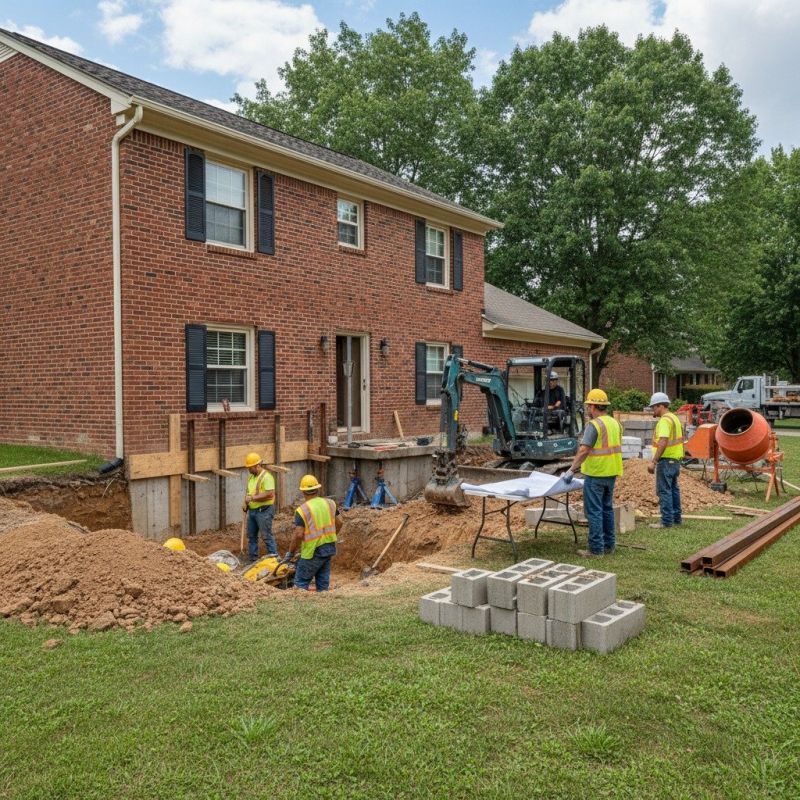
Before comparing contractors, clearly define your project scope and ensure they verify experience and set expectations in writing.
- Verify experience with foundation construction projects similar in scope and complexity. - Ensure local contractors have a proven track record of successfully completing foundation work.
- Define the project scope clearly in writing to avoid misunderstandings or scope creep. - Clarify the specific tasks, materials, and responsibilities expected from the service providers.
- Check references or reviews to assess the quality of past foundation projects handled by the contractor. - Gather feedback from previous clients to understand the contractor’s reliability and workmanship.
- Confirm that the contractor understands and plans to follow local building codes and regulations. - Ensure compliance with all applicable standards to prevent future legal or structural issues.
- Discuss the methods and materials the contractor intends to use for the foundation construction. - Make sure the approach aligns with project requirements and site conditions.
- Request a detailed written proposal outlining scope, materials, and responsibilities before proceeding. - Use the proposal to compare and evaluate the suitability of different local service providers.
Use this to compare contractors, clarify project scope, verify experience, and set clear expectations.
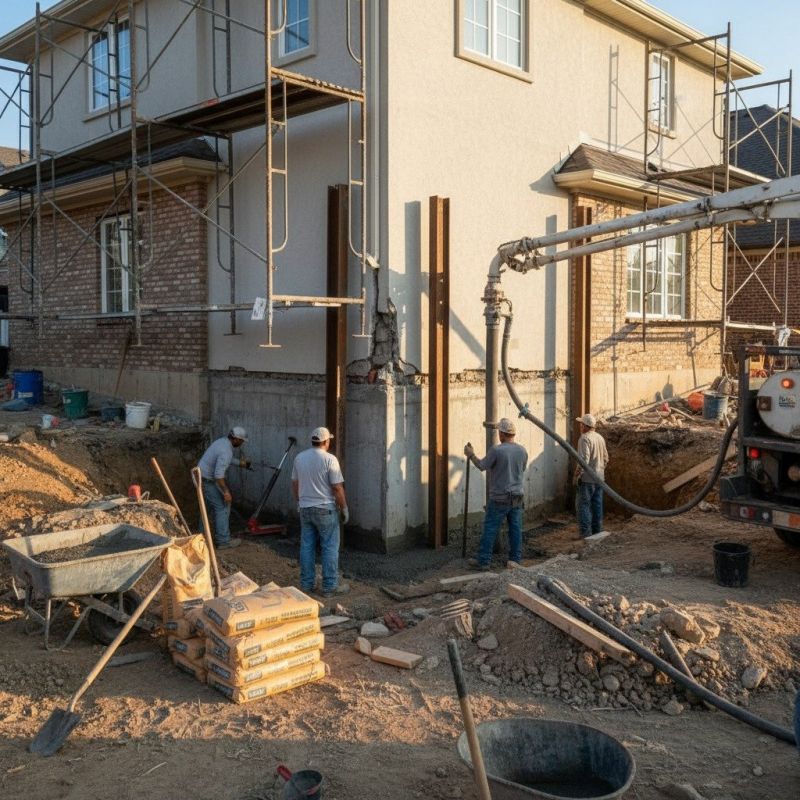

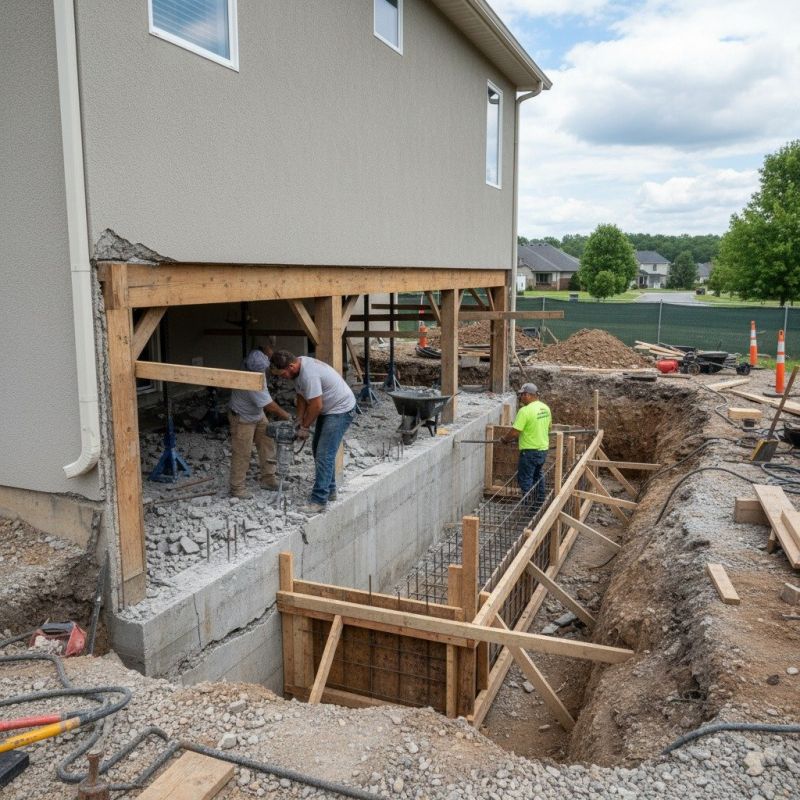

Learn how to compare foundation construction contractors, define scope clearly, verify experience, and set written expectations.
- Define Scope of Work - Clearly outline the specific foundation construction tasks required for the project.
- Verify Experience and Expertise - Ensure potential service providers have relevant experience with foundation types and soil conditions.
- Set Expectations in Writing - Document project details, responsibilities, and deliverables to establish mutual understanding.
- Assess Contractor Credentials - Review the background and reputation of local contractors to confirm their capability for the scope.
- Compare Service Offerings - Evaluate different providers based on scope, approach, and professionalism to find the best match.
When evaluating contractors for foundation construction, it’s important to consider their experience with similar projects. Homeowners should inquire about the types of foundations the contractor has worked on and ask for examples or references related to projects comparable in scope and complexity. Contractors with a proven track record in handling foundations similar to the current project are more likely to understand the specific challenges and requirements involved, leading to a smoother process and more reliable results.
A clear, written scope of work is essential when comparing service providers. The scope should detail all aspects of the foundation construction, including materials to be used, specific tasks to be performed, and any necessary preparatory or finishing work. Having a detailed scope helps ensure that expectations are aligned and provides a basis for comparing what each contractor proposes. It also serves as a reference point later in the project to confirm that all agreed-upon work has been included and completed.
Verification basics are a key part of choosing a foundation contractor. Homeowners should ask for proof of experience, such as project summaries or references, and verify that the contractor has a history of completing similar projects successfully. It’s also helpful to confirm that the contractor understands local building codes and soil conditions, as these factors can significantly influence the foundation work. Gathering this information can help build confidence that the contractor is capable of managing the specific demands of the project.
Evaluating options without focusing on prices involves assessing the quality of proposals and the professionalism of each service provider. Homeowners should compare the level of detail in scope documents, the clarity of communication, and the thoroughness of the project plan. It’s also beneficial to consider how well each contractor understands the project’s needs and whether they can articulate their approach clearly. By focusing on these aspects, homeowners can identify service providers who are well-equipped to deliver quality foundation work aligned with the project’s requirements.
Ask contractors to provide written scope details to ensure clarity and consistency throughout the foundation project.
- Scope of Work - What specific tasks and responsibilities will the contractor include in the foundation construction project?
- Experience and Expertise - How many foundation projects similar in scope has the contractor completed successfully?
- Materials and Methods - What construction techniques and materials does the contractor plan to use, and how do they compare with other service providers?
- Project Expectations - How will the contractor define and document the project scope, deliverables, and responsibilities in writing?
- Contractor Qualifications - What criteria does the contractor use to ensure they are qualified to handle the specific foundation construction needs?
What should I consider when choosing a contractor for foundation construction? It is important to compare local contractors based on their experience, reputation, and scope of services. Ensuring clear communication about project expectations and verifying their background can help in making an informed decision.
How can I define the scope of foundation work with a contractor? Clearly outline the specific tasks, materials, and responsibilities involved in the foundation project. Providing detailed descriptions helps contractors understand your needs and offers a basis for written agreements.
What questions should I ask a foundation contractor during the selection process? Ask about their previous experience with similar projects, the types of foundations they have built, and their approach to handling unexpected issues. It’s also helpful to inquire about how they document project details and expectations.
How important is it to get written agreements from foundation contractors? Having detailed, written agreements ensures that the scope, responsibilities, and expectations are clearly documented. This can help prevent misunderstandings and provides a reference throughout the project.
What strategies can help compare different foundation contractors effectively? Review their experience, request references or project examples, and verify their familiarity with local building codes. Comparing how each contractor defines scope and communicates can aid in selecting the best fit.
Why is verifying a contractor’s experience important for foundation projects? Experience with similar foundation types and site conditions can influence the quality and reliability of the work. Confirming their background helps ensure the contractor can meet project requirements effectively.
Understanding the key aspects of foundation construction, including defining the scope of work, verifying experience, and setting clear expectations in writing, helps ensure the project proceeds smoothly. Comparing different service providers allows for better-informed decisions and helps identify the best options available in the area. Utilizing the quote form provides a straightforward way to explore local contractors and find the right match for your needs.
Taking the time to evaluate local contractors for foundation work can make a difference in the success of the project. The quote form offers an easy way to connect with experienced service providers, compare their offerings, and gather the information needed to choose the right partner. Start by defining your project scope and setting your expectations in writing to facilitate a productive comparison process.